
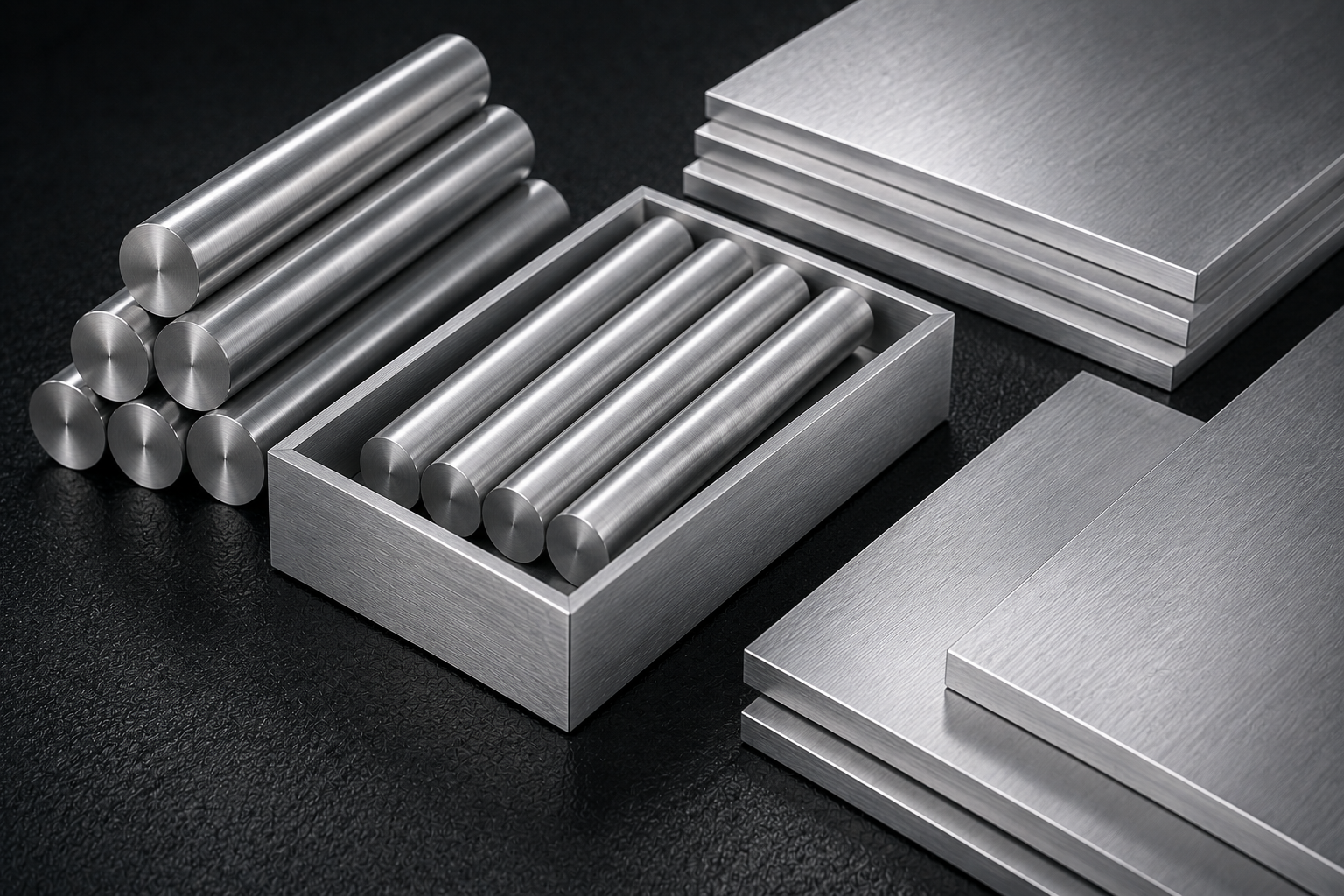
Aluminium Alloy 19500 is a high-strength aluminium alloy widely used in engineering, aerospace and structural applications. It provides excellent corrosion resistance, lightweight properties and good machinability. The alloy offers high durability while maintaining excellent strength-to-weight ratio. It is commonly used in transport, marine structures, industrial equipment and precision engineering components where reliability and performance are essential.
| Size Range | 10 mm – 250 mm |
|---|---|
| Grades | 19500 |
| Standards | ASTM B221 |
| Applications | Aerospace, Engineering, Marine, Structural Components |
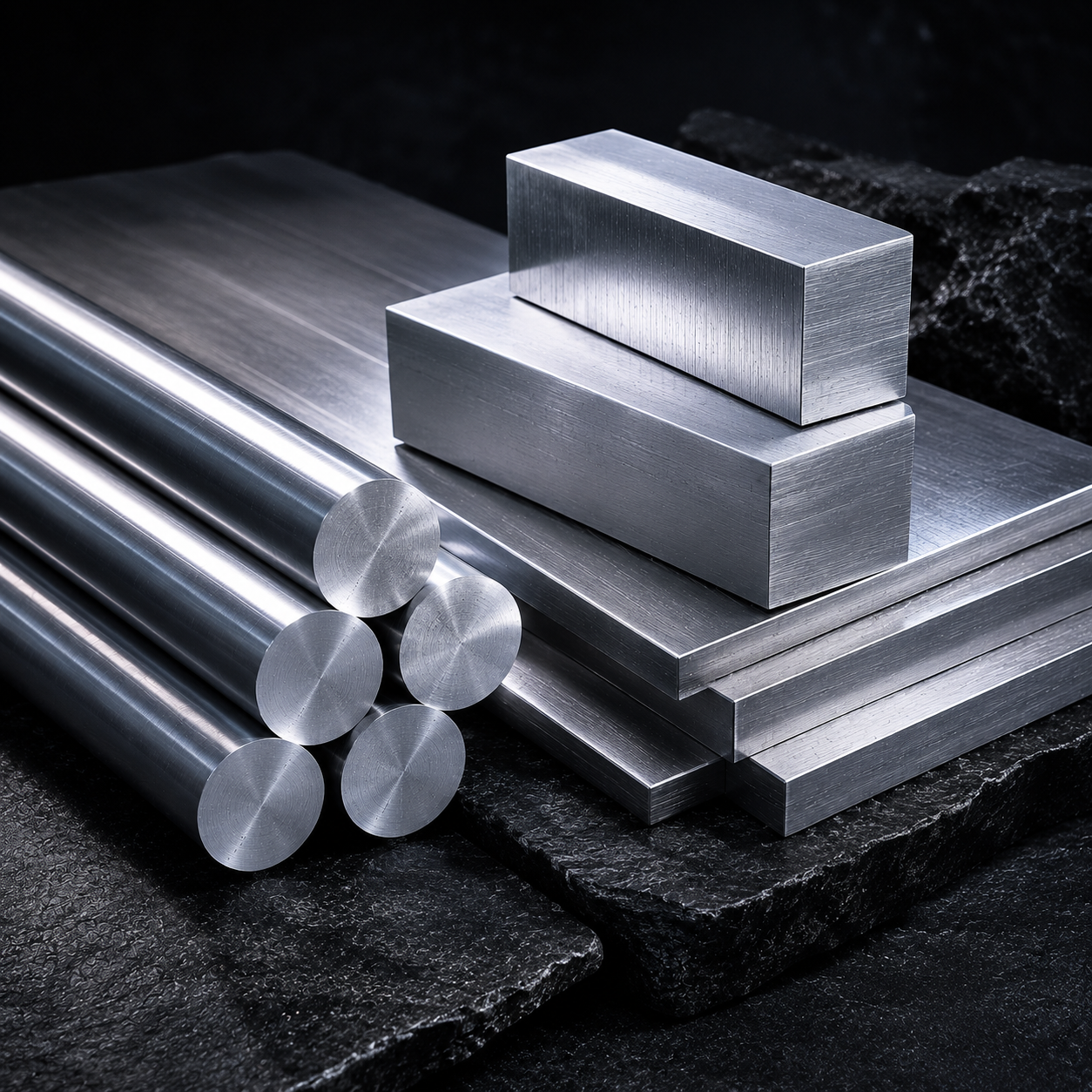
Aluminium 2014 is a copper-based alloy known for its exceptional mechanical strength and excellent machining characteristics. It is frequently used in aircraft structures, heavy-duty transportation equipment and industrial machinery. The alloy delivers outstanding fatigue resistance and high load-bearing capability.
| Size Range | 12 mm – 300 mm |
|---|---|
| Grades | 2014 |
| Standards | ASTM B211 |
| Applications | Aircraft Structures, Automotive Parts, Engineering Equipment |
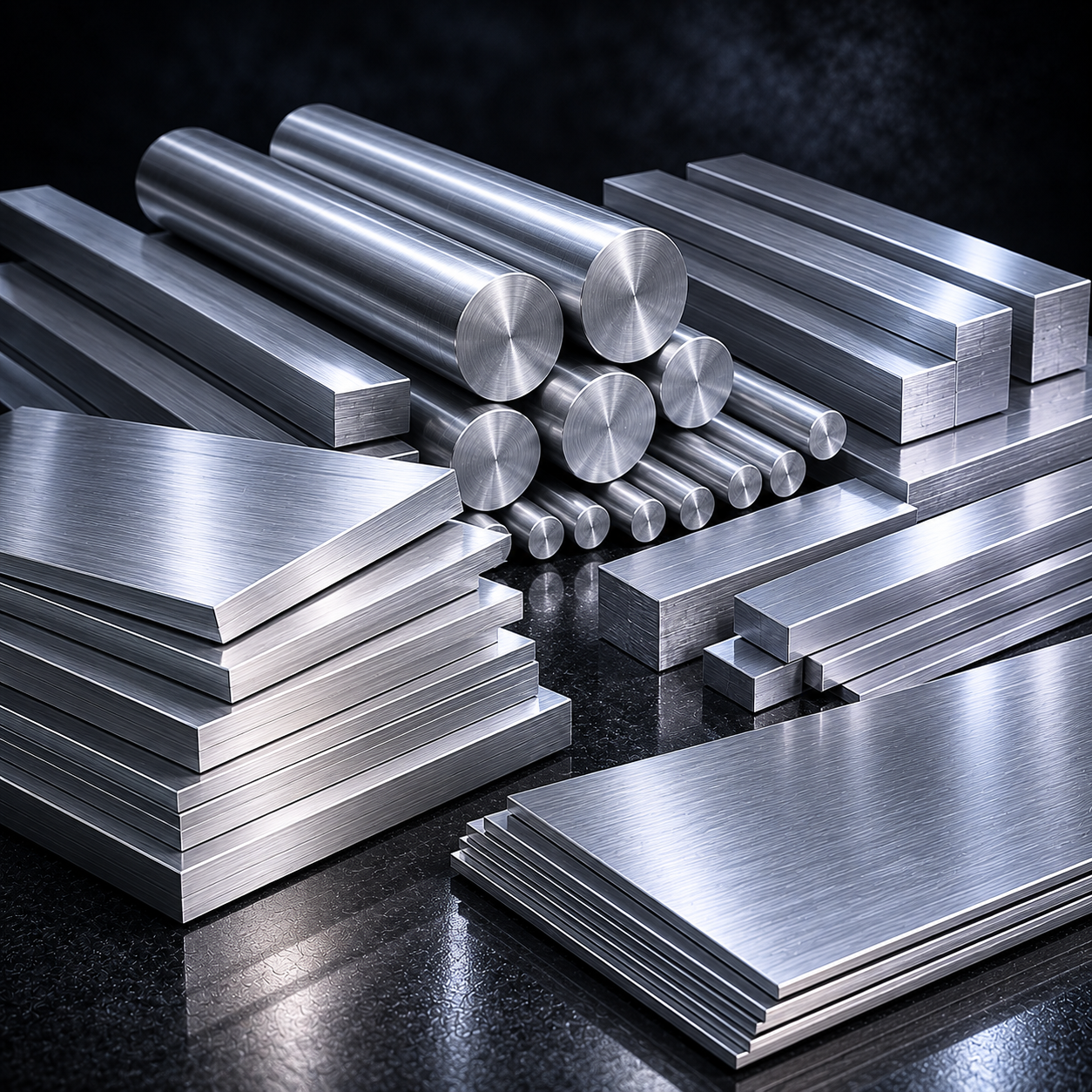
The 3000 series aluminium alloys contain manganese as the principal alloying element. These alloys offer excellent corrosion resistance, moderate strength and excellent workability. They are extensively used in roofing, storage tanks, heat exchangers and architectural applications.
| Grades | 3003, 3004, 3105 |
|---|---|
| Standards | ASTM B209 |
| Applications | Roofing, Storage Tanks, Architectural Panels |
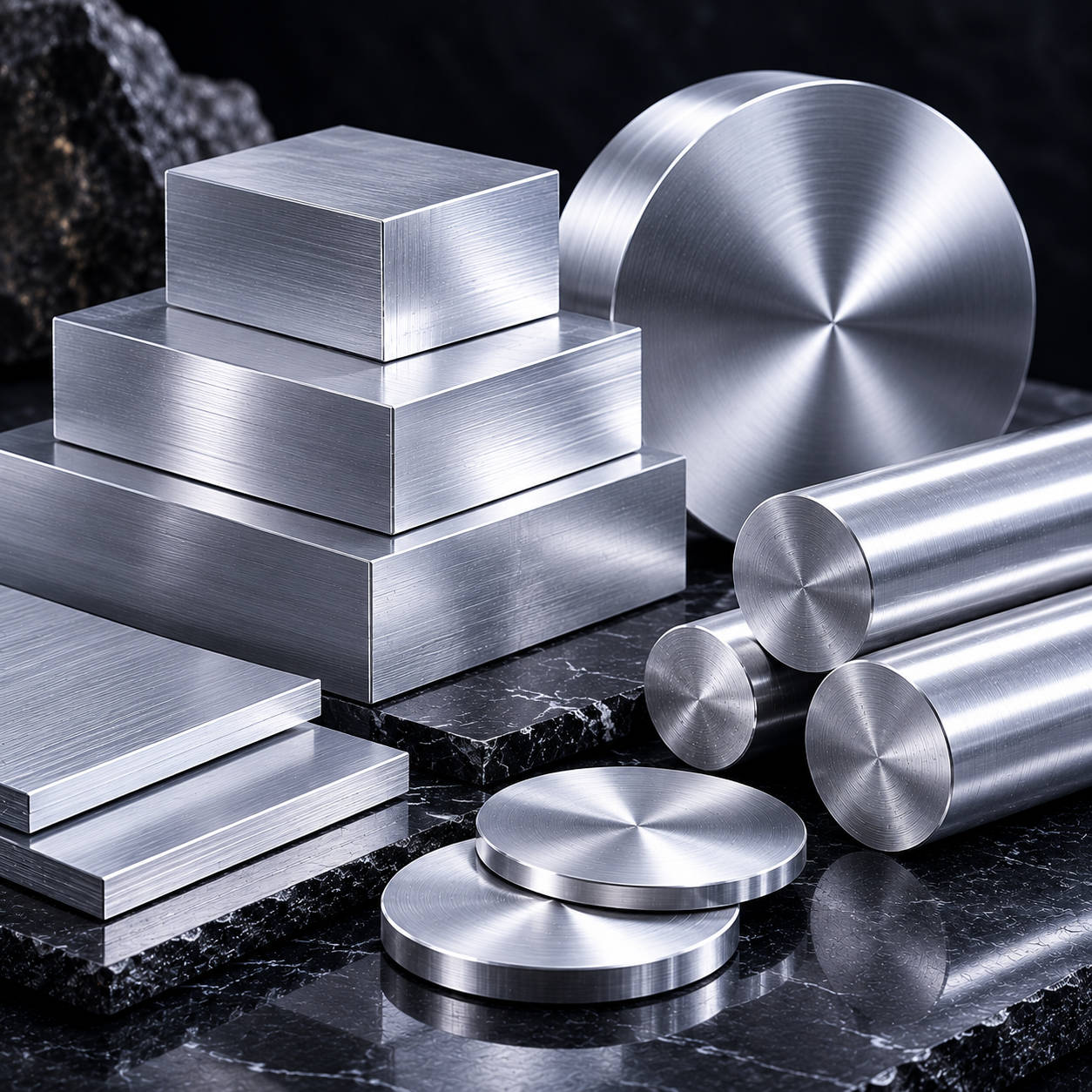
The 4000 series alloys contain silicon and are known for excellent wear resistance and low melting points. They are commonly used in welding wire, automotive components and heat-resistant applications.
| Grades | 4032, 4043 |
|---|---|
| Standards | ASTM B209 |
| Applications | Welding, Automotive Parts, Heat Exchangers |
The 5000 series aluminium alloys contain magnesium and offer excellent corrosion resistance, especially in marine environments. These alloys are widely used in shipbuilding, pressure vessels and transportation equipment.
| Grades | 5052, 5083, 5754 |
|---|---|
| Standards | ASTM B928 |
| Applications | Marine Structures, Pressure Vessels, Transportation |
The 6000 series alloys contain magnesium and silicon, offering excellent strength, corrosion resistance and weldability. These are among the most popular aluminium grades used worldwide.
| Grades | 6061, 6063, 6082 |
|---|---|
| Standards | ASTM B221 |
| Applications | Structural Frames, Construction, Engineering Components |
The 7000 series alloys contain zinc and provide the highest strength among aluminium alloys. They are extensively used in aerospace, defense and high-performance engineering sectors.
| Grades | 7050, 7075 |
|---|---|
| Standards | ASTM B209 |
| Applications | Aerospace, Defense, Aircraft Components |
The 8000 series aluminium alloys are used for specialized industrial applications including electrical conductors, packaging and advanced engineering products. They offer excellent conductivity and lightweight performance.
| Grades | 8011, 8090 |
|---|---|
| Standards | ASTM B209 |
| Applications | Electrical, Packaging, Aerospace |